
Sleep & Bruxism
Bruxism
Protecting your teeth from grinding and clenching.
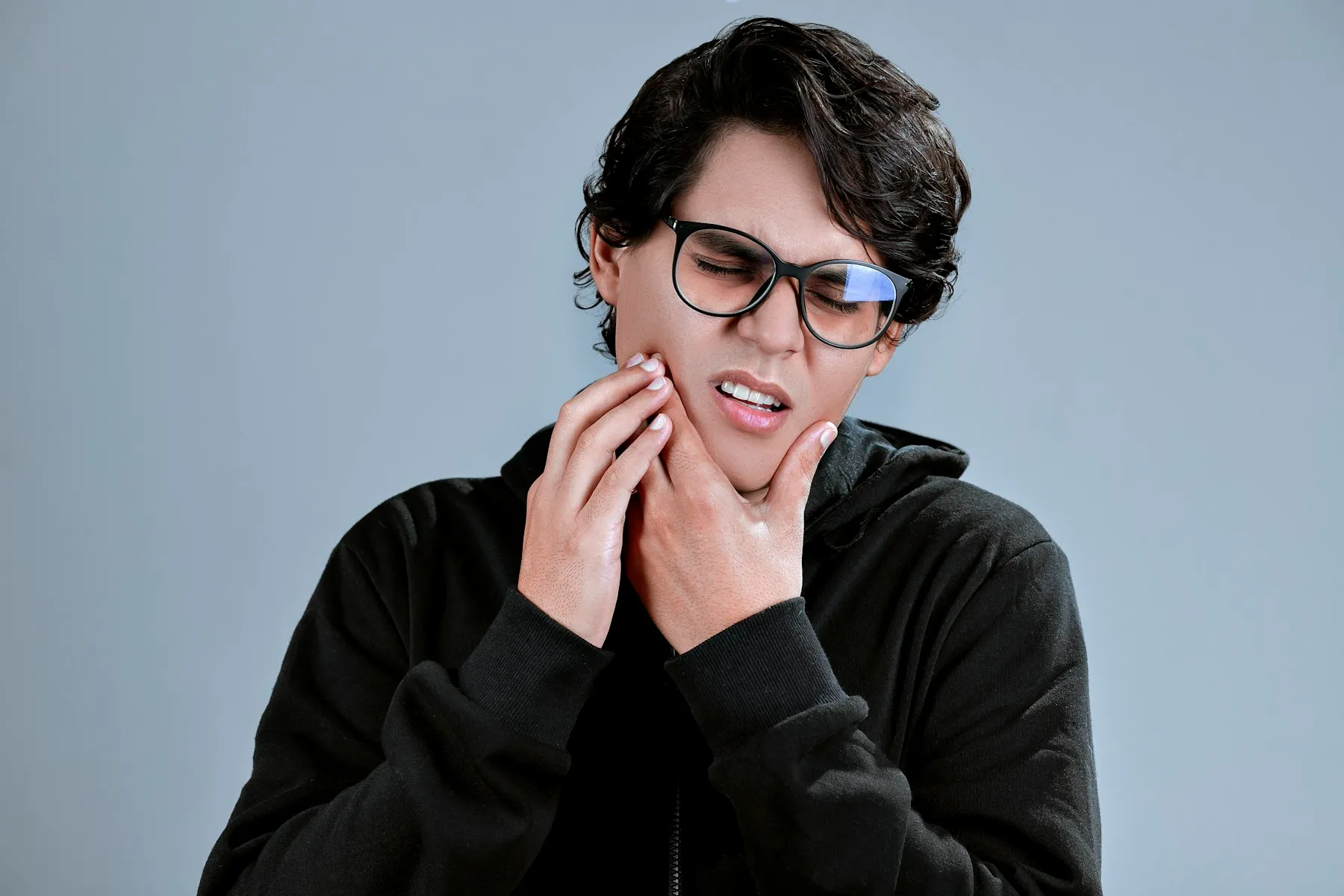
Bruxism means clenching or grinding the teeth, most often at night and without realising it. It can cause tooth wear, cracks, sensitivity, jaw or temple pain and morning headaches.
Treatment mainly relies on a custom night guard (occlusal splint) that protects the teeth and relaxes the jaw muscles. It comes with advice (stress management, sleep habits) and, when needed, restoration of worn teeth.
Step by step
How it works
- 01
Diagnosis
Examination of tooth wear, jaw muscles and joints.
- 02
Digital impression
Intraoral scan for a perfectly fitting night guard.
- 03
Fitting
Delivery of the night guard, bite adjustment and advice.
- 04
Follow-up
Regular check-ups and restoration of damaged teeth if needed.
Digital impression
The BLZ INO200 intraoral scanner
Instead of impression paste, a small camera records your teeth in 3D in moments. This digital model is the basis for smile design, crowns, aligners and night guards.
- No impression paste, more comfortable
- A 3D model of your teeth on screen
- Precise, well-fitting custom work
Frequently asked questions
How do I know if I grind my teeth?
Jaw pain or headaches on waking, worn or sensitive teeth, or a partner noticing noises at night are the most common signs.
Does the night guard cure bruxism?
It does not always stop the grinding, but it effectively protects the teeth and relieves the muscles. Managing stress often helps reduce bruxism.
How long does a night guard last?
Several years depending on the intensity of bruxism. We check it at your visits and replace it when needed.
Related treatments

Contact
Book an appointment
Online on Dentisto, by phone, on WhatsApp or through the form: whatever suits you.
Opening hours
- Monday – Friday
- 09:00 – 13:0015:00 – 19:00
- Saturday
- 09:00 – 13:00
- Sunday
- Closed